Eco-Conscious Ways to Handle Old Pots and Pans Disposal: A Complete, Friendly Expert Guide
If you've ever opened the kitchen cupboard and watched a stack of old pans wobble like a tiny metallic tower of Jenga, you know the moment. Time to let some go. But how? Tossing cookware in the bin feels wrong--and it is. Metals are valuable, non-stick coatings can be tricky, and let's face it, chucking out perfectly usable cookware is a waste. This guide shows you eco-conscious ways to handle old pots and pans disposal that are practical, UK-savvy, and surprisingly satisfying. Clean, clear, calm. That's the goal.
We'll cover what to fix, where to recycle, how to donate, and the best upcycling ideas that actually look good. We'll also navigate UK recycling rules, Scrap Metal Dealers Act basics, and WEEE obligations for electric cookware--because staying on the right side of the law matters. Along the way, expect a few micro stories, true-to-life tips, and a nudge to do what feels right for your home and the planet.
Table of Contents
- Why This Topic Matters
- Key Benefits
- Step-by-Step Guidance
- Expert Tips
- Common Mistakes to Avoid
- Case Study or Real-World Example
- Tools, Resources & Recommendations
- Law, Compliance or Industry Standards (UK-focused)
- Checklist
- Conclusion with CTA
- FAQ
Why This Topic Matters
Cookware is built to last--stainless steel, cast iron, copper, aluminium--materials that can live multiple lives if we let them. In the UK, millions of pans end up as waste each year, yet metals are among the most recyclable materials we have. Recycling aluminium, for instance, can save up to 95% of the energy needed to produce it from raw ore; steel recycling saves a big chunk too. That's not just trivia. It's a real climate win, every single time.
And there's more. Older non-stick pans may contain legacy coatings; some home cooks worry about what happens when those coatings age. While most domestic non-stick pans aren't hazardous waste, there's an environmental logic to routing them to proper facilities so metals can be recovered and coatings handled appropriately. You're not just tidying up--you're participating in a circular economy.
Quick micro moment: It was raining hard outside that day, and you could almost smell the cardboard dust in the air at the local tip. A neighbour unloaded a wobbling crate of old pans; the site staff calmly waved them to the metal bay. Two minutes later--sorted, recycled, done. That small act felt honest. Simple, but honest.
So this guide stands for smarter, kinder choices. Eco-Conscious Ways to Handle Old Pots and Pans Disposal isn't just a mouthful--it's a mindset.
Key Benefits
- Save resources and energy: Recycling metal cookware means fewer mines dug, less energy burned, and lower carbon emissions.
- Declutter without guilt: Donate, sell, or pass along pans that still have life. Free up space without the nagging regret.
- Stay legally compliant: The UK takes waste seriously--from WEEE rules for electric cookware to the Scrap Metal Dealers Act for selling scrap. No headaches later.
- Support local reuse networks: Freegle, Freecycle, and community groups put useful items straight into new homes, fast.
- Earn a little back: Aluminium, copper, and stainless steel can fetch modest scrap value. Not a fortune, but a nice lunch on the house.
- Safer home, safer planet: Retire chipped, wobbly, or flaking pans and move on with confidence.
Truth be told, it just feels good to do the right thing--and to see a tidy cupboard at last.
Step-by-Step Guidance
Here's a simple, proven process to manage eco-friendly disposal of old pots and pans--with checks for reuse, repair, and recycling. Ever tried clearing a room and found yourself keeping everything "just in case"? This will keep you moving.
1) Sort and Assess
- Lay everything out. Put lids with matching pans. Note wobbly handles, warped bases, or scratched coatings.
- Group by material: cast iron, stainless steel, aluminium, copper, non-stick, enamelware. Electric skillets or multi-cookers go in the "electricals" group.
- Decide the fate:
- Still usable? Clean and donate/sell/pass on.
- Needs a simple repair? Tighten handle screws, replace a knob, reseason cast iron.
- At end of life? Recycle the metal if possible, upcycle parts, or responsibly dispose.
2) Clean for Reuse
- Degrease and scrub. Donors and buyers expect hygienic cookware.
- Remove odors. A baking soda soak or a splash of vinegar can help. No one likes that "old cupboard" smell.
- Make it presentable. A quick polish on stainless can make an ordinary pot feel giftable.
Micro moment: I wiped down a dented but hardy saucepan and handed it to a uni student at a free-stuff swap. He smiled--"I can make curry now." That's reuse working.
3) Repair or Refurbish
- Handles & screws: Tighten with a screwdriver; replace missing screws with stainless variants.
- Knobs and lids: Universal lid knobs are cheap and easy to fit.
- Cast iron: Strip, reseason with thin oil layers at 200-230?C until it's smooth and satin-black again.
- Copper: Polish or have it retinned by a specialist (for lined copper). It's a splurge but stunning.
- Non-stick recoating: Domestic recoating services exist but are rare and often not cost-effective. For most households, recycle instead.
4) Decide the Best Exit Route
- Donate: Charity shops (check acceptance), community kitchens, shelters, refugee welcome groups, or neighbours via apps.
- Give away or sell: Freegle, Freecycle, Facebook Marketplace, Gumtree, OLIO. Quick, local, human.
- Recycle as metal: Most Household Waste Recycling Centres (HWRCs) accept metal cookware in the scrap metal bay--even if non-stick is flaking. Remove plastic handles if asked.
- Scrap dealers: For copper, cast iron, stainless, or aluminium. Bring ID; expect bank transfer (no cash) due to UK law.
- Electrical cookware (WEEE): Use retailer take-back schemes, in-store collection for small WEEE, or HWRC electricals area.
5) Upcycle When It's Fun (and Practical)
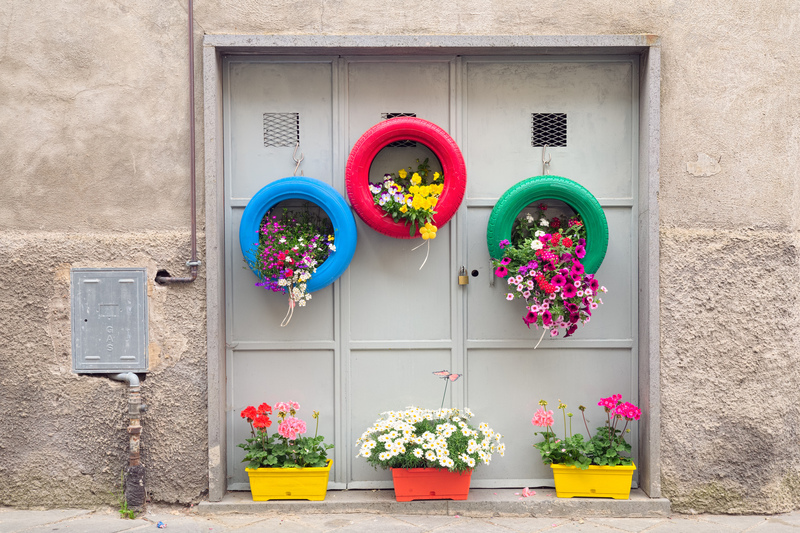
- Planters: Drill drainage holes in an old saucepan; herbs look charming on a balcony. Rain taps softly on the lid--nice.
- Lid art or mirrors: Hang glossy lids as wall decor or mount a circular mirror inside for a quirky hallway piece.
- Bird feeder: A small copper pot suspended by rope becomes a rustic feeder. Birds don't judge dents.
- Garage storage: Use deep pots for paintbrushes, trowels, or bike tools. Tough and tidy.
- Camping kit: Retire pans can become "rough-duty" camping cookware.
6) Safety and Hygiene
- Edges: If a pan has a sharp edge, tape it with cardboard before donating or recycling.
- Weight: Cast iron is heavy--lift with care; don't overfill bags.
- Non-stick fumes: Avoid overheating old non-stick; if badly damaged, recycle rather than continue cooking.
7) If You're Short on Time
Book a reputable reuse-minded clearance service or charity collection. Ask them explicitly to prioritise reuse and metal recycling. A quick call can save you a trip and save resources too.
Expert Tips
- Know your metals: Aluminium is light and silvery; stainless steel is magnetic only sometimes; copper is reddish and valuable; cast iron is heavy and dark. Separate for better scrap value.
- Remove non-metal components: Plastic handles, silicone guards, or wooden knobs--unscrew when possible. Cleaner loads = happier recyclers.
- Batch your drop-off: Wait until you have a full boot of metal for the HWRC run. Fewer trips, less fuel, less faff.
- Check retailer take-back: Many UK retailers accept old small electricals when you buy new, or even without purchase. Handy for electric skillets and mini grills.
- Charity etiquette: Donate only what's safe and clean. A quick freshen-up means your pan gets a second home faster.
- Local councils vary: Some require appointments or proof of address for HWRCs. Always check before driving over--saves a wasted trip in the drizzle.
- Cast iron forever: Unless cracked right through, it's almost always repairable. Reseason and keep for life or pass it on proudly.
- Legacy PFOA concerns: PFOA is restricted under UK REACH. While your old non-stick pan isn't classified as hazardous household waste, recycling the metal keeps things sensible.
- Document business disposals: If you're a caterer, keep Waste Transfer Notes and use licensed carriers. Compliance first, always.
Yeah, we've all been there--standing in the kitchen at 10pm deciding the fate of a scratched frying pan. Breathe. You've got this.
Common Mistakes to Avoid
- Putting pans in household recycling bins: Most kerbside schemes don't accept bulky cookware. Use the HWRC scrap metal bay instead.
- Donating unsafe items: Warped, wobbling handles or flaking coatings? Not fair on recipients. Recycle the metal.
- Forgetting WEEE rules: Electric pots and multi-cookers are electricals. Treat them under WEEE schemes, not as general metal.
- Throwing copper in general waste: Copper is highly valuable and recyclable--scrap it or donate to a maker's space or school workshop.
- Overloading bags with cast iron: Backs matter. Use a trolley or carry one at a time.
- Ignoring local restrictions: Some HWRCs won't take trade waste, or require online booking. Quick check before you go.
- Not asking charities first: Policies vary; cookware acceptance depends on space and demand. A call saves everyone time.
Small fix: a polite phone call or a look at your council's site--saves hassle later. To be fair, it's five minutes well spent.
Case Study or Real-World Example
Situation: A London family planned a kitchen refit and ended up with two boxes of mixed cookware: four non-stick frying pans, a chipped enamel stockpot, a bruised copper saucepan, three stainless steel pots, and a seldom-used electric skillet. Sound familiar?
Plan: They sorted items by condition and material, prioritising reuse, then recycling.
- Donate: Two stainless pots in good nick and one non-stick pan were cleaned and given to a local mutual-aid group. Quick pickup. Smiles all round.
- Repair: The copper saucepan was polished and gifted to a home chef friend who loved the patina.
- Recycle (metal): Two flaking non-stick pans and the chipped enamel stockpot went to the HWRC metal bay.
- WEEE: The electric skillet went to the retailer's take-back scheme when buying a new multi-cooker.
Outcome: 80% of items were reused or recycled; only a small quantity of plastic handle pieces ended up as general waste. The family saved space, stayed compliant, and even got a thank-you note from the mutual-aid group. Not bad for a Saturday morning. It was drizzling, yes, but the cupboard looked brighter after.
Tools, Resources & Recommendations
If you're aiming for Eco-Conscious Ways to Handle Old Pots and Pans Disposal without the back-and-forth, a few tools and resources make it easy.
- Apps for reuse: Freegle, Freecycle, OLIO, Facebook Marketplace, Gumtree. Post clear photos and measurements. Be honest about condition.
- Council HWRC locator: Use your local council website to find the nearest Household Waste Recycling Centre, opening hours, and booking rules.
- Scrap metal dealers: Search locally for licensed dealers. Bring photo ID. Expect payment via bank transfer or cheque, not cash.
- Charities: Reuse Network members, British Heart Foundation Home stores, community kitchens and shelters--call to check cookware acceptance.
- Specialist: For copper retinning or professional cast-iron restoration, look for heritage cookware restorers in your region.
- TerraCycle-type solutions: Paid "Zero Waste Box" options can accept mixed kitchen gear (policies vary). Useful when reuse and standard recycling aren't workable.
- Basic kit: Screwdrivers, pliers, a small adjustable spanner, sandpaper for de-burring, eco degreaser, cardboard and tape for safe transport.
One small ask: label bags "metal cookware" or "handles only" when you sort. Site staff appreciate the clarity, and things move faster.
Law, Compliance or Industry Standards (UK-focused if applicable)
Doing the right thing includes doing it right. Here's what matters in the UK context for responsible, eco-conscious cookware disposal.
- Environmental Protection Act 1990 - Duty of Care: Households and businesses must ensure their waste is handled responsibly. For businesses, that means using licensed carriers and keeping appropriate documentation.
- Waste (England and Wales) Regulations 2011: Hierarchy applies--Prevention, Reuse, Recycling, recovery, disposal. In plain English: try repair and reuse before recycling.
- WEEE Regulations 2013 (and amendments): Electrical cookware (e.g., electric skillets, rice cookers) falls under WEEE. Retailer take-back schemes and HWRC electrical collection points are the proper routes.
- Scrap Metal Dealers Act 2013: Scrap yards must be licensed. Sellers provide ID. Cash payments are prohibited--expect cheque or bank transfer.
- UK REACH and PFAS-related restrictions: PFOA and related substances are restricted. Your old non-stick pan isn't classified as hazardous waste, but recycling the metal is the sensible pathway.
- Business standards: Caterers and hospitality should keep Waste Transfer Notes; consider ISO 14001-aligned environmental management for best practice.
Bottom line: Reuse when safe, recycle metal correctly, route electricals via WEEE, and use licensed handlers. Easy enough, once you know.
Checklist
Use this quick list to keep your Eco-Conscious Ways to Handle Old Pots and Pans Disposal plan on track.
- Sort by condition and material (stainless, cast iron, aluminium, copper, non-stick, electrical).
- Clean anything you plan to give away or sell.
- Repair simple issues: tighten handles, replace knobs, reseason cast iron.
- Decide reuse routes: donate, gift, or list on local apps.
- Recycle the rest at HWRC metal bay; remove plastic parts if required.
- Electrical cookware: use retailer take-back or HWRC WEEE section.
- For high-value metals (copper, heavy aluminium): consider licensed scrap dealers.
- Check local council rules before you travel--ID, booking, vehicle limits.
- For businesses: keep Waste Transfer Notes and use licensed carriers.
- Upcycle a favourite piece for fun--planter, storage, or wall art.
One step at a time. You'll feel lighter by tea time.
Conclusion with CTA
Disposing of cookware the old way--toss and forget--just doesn't cut it anymore. With a little care, you can route every pot and pan to its best next life: someone else's kitchen, a metal recycler, a garage as storage, or a cosy herb planter on the balcony. These eco-conscious ways to handle old pots and pans disposal make your home calmer and your footprint smaller. It's kinder on the planet and, frankly, kinder on your conscience.
Get a free quote today and see how much you can save.
However you move forward--reuse, recycle, or upcycle--do it with heart. A tidy cupboard, a lighter mind.
FAQ
Can old non-stick pans be recycled?
Yes. Most HWRCs accept non-stick pans in the scrap metal bay. The metal is recovered, and non-metal residues are managed during processing. Remove plastic handles if your site requests it.
What should I do with electric skillets and multi-cookers?
Treat them as electricals under WEEE. Use retailer take-back schemes or the WEEE section at your local HWRC. Don't put them in regular metal recycling.
Do charity shops accept pots and pans?
Often, yes--if clean, safe, and in usable condition. Policies vary by store and space available, so call ahead. Community kitchen projects and mutual-aid groups may welcome them too.
Is it worth selling old pans for scrap?
It can be, especially for copper and heavy aluminium. Stainless steel also has value. Bring photo ID and expect payment via bank transfer or cheque due to the Scrap Metal Dealers Act 2013.
Are old non-stick coatings dangerous to dispose of?
Household non-stick cookware isn't considered hazardous waste. In the UK, recycling the metal via HWRC is appropriate. Avoid continuing to cook on heavily damaged coatings.
How do I reseason a cast iron pan before donating?
Scrub to bare metal if needed, dry thoroughly, wipe with a thin film of oil, then bake upside down at around 200-230?C for 60 minutes. Repeat thin coats for a smooth, durable finish.
Can I put pots and pans in my kerbside recycling bin?
Generally no. Most kerbside schemes don't accept bulky metal items. Take them to the scrap metal bay at your HWRC instead.
What about pans with wooden handles or glass lids?
Remove non-metal parts if requested by your HWRC. Glass lids typically go separately; check site guidance. For charity donations, include the lid--it helps items sell or be reused faster.
Is PFOA still used in non-stick pans?
PFOA is restricted under UK REACH and has been phased out by major manufacturers. Older pans may predate restrictions; regardless, route end-of-life pans through proper metal recycling.
How do I responsibly dispose of a cracked enameled cast iron pot?
If the enamel is chipped and the pot is cracked, it's end-of-life. Bring it to the HWRC scrap metal bay. If only chipped, you might repurpose it as a planter or storage.
What's the greenest option: donate, sell, or recycle?
Reuse is best when safe and practical--donate or give away first. If not reusable, recycle the metal. Selling is fine too; it still keeps items in use, which is what matters most.
I'm a small cafe. Do I need paperwork for cookware disposal?
Yes. Businesses must comply with Duty of Care. Use licensed waste carriers, keep Waste Transfer Notes, and ensure items go to approved facilities. It's straightforward and protects you.
Any quick upcycling ideas that don't look naff?
Try a herb planter from a small saucepan, a lid-turned-trivet with felt feet, or a copper pot as a utensil caddy. Simple, tasteful, and genuinely useful.
What if my council HWRC requires booking and I'm in a rush?
Check if a nearby HWRC has walk-in hours, or use a reputable clearance service that prioritises reuse and metal recycling. Confirm their approach before you book.
How can I make sure my donated pans actually get reused?
Clean them well, fix wobbly handles, include matching lids, and share clear photos if posting online. The better the condition and listing, the faster they find a second home.
Side note for the heart: You're doing more than decluttering. You're keeping materials in the loop and helping someone cook a first meal in a new home. That matters.